

 See My Latest Article on HelloNation
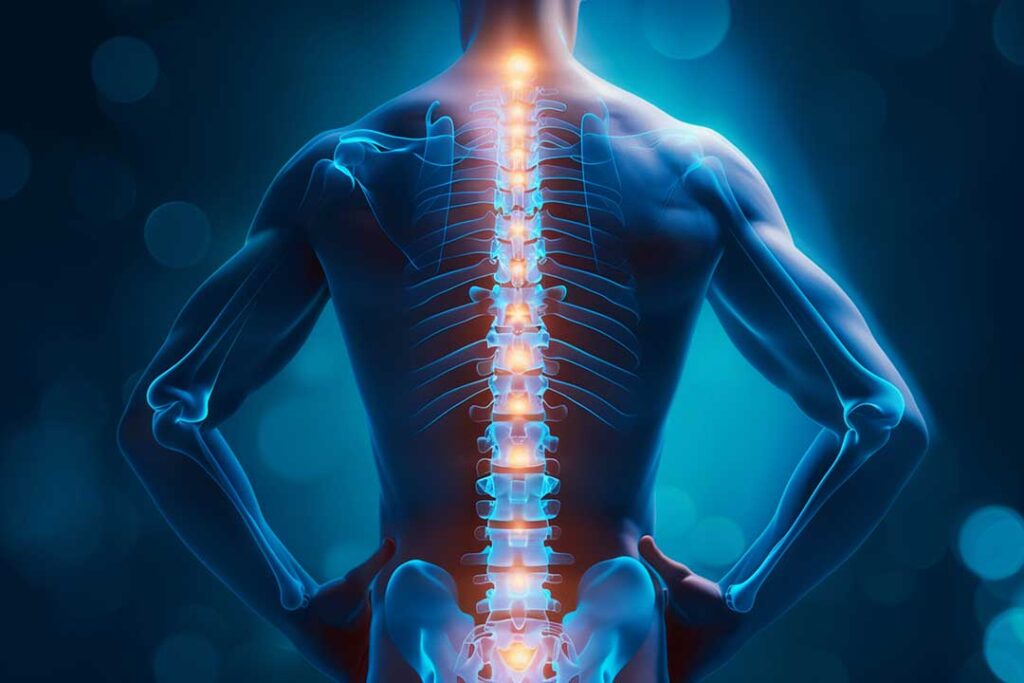
Sciatica can cause pain that travels from the lower back or buttock into the thigh, calf, or foot. It may also produce tingling, numbness, burning, or weakness. For many people, symptoms improve gradually with conservative care, regular movement, and time. The goal is not to force the spine into a particular position, but to reduce irritation while maintaining as much comfortable activity as possible.
What does sciatica feel like?
Sciatica is a symptom rather than a diagnosis. It occurs when the sciatic nerve or one of the nerve roots that contributes to it becomes irritated or compressed, often in the lower back.
Typical symptoms include:
- Sharp, burning, or electric-like pain traveling down one leg
- Numbness or tingling in the buttock, thigh, calf, or foot
- Pain that increases with prolonged sitting, bending, coughing, or sneezing
- Leg weakness or a feeling that the leg may not support the body normally
Pain limited only to the lower back is less characteristic of sciatica. Other conditions involving the hip, sacroiliac region, muscles, or peripheral nerves can feel similar, so an accurate musculoskeletal assessment matters before beginning a stretching or exercise routine.
Can gentle movement relieve sciatic pain?
Usually, yes. Prolonged bed rest can increase stiffness, reduce conditioning, and make ordinary movement feel more threatening. Short, frequent periods of comfortable activity are generally more useful than remaining still for most of the day.
Movement should be scaled to the current symptoms. A practical starting point may include:
- Walking for several minutes at a comfortable pace
- Changing positions every 20 to 30 minutes
- Performing gentle pelvic or hip movements without forcing the range
- Using brief standing or walking breaks during desk work
- Returning gradually to household activities rather than avoiding all bending or lifting
A movement that causes mild, temporary discomfort may be acceptable, but sharp leg pain, increasing numbness, or new weakness is a reason to stop and reassess. Sciatica exercises are not one-size-fits-all. Some people feel better with gentle extension-based movements, while others respond better to positions that reduce low-back loading or relax the hips.
Which stretches are safest?
Gentle stretching may help when muscle guarding in the hips or low back adds to discomfort. It should feel controlled and should not reproduce intense, traveling pain down the leg.
Common examples include:
- A gentle hamstring stretch performed without rounding forcefully through the lower back
- A relaxed hip-flexor stretch while keeping the pelvis steady
- A supported figure-four stretch for the buttock, if it does not increase leg symptoms
- Slow, comfortable pelvic tilts while lying on the back
Hold a stretch briefly and breathe normally. Avoid bouncing, forcing the knee straight, or trying to “pull” the nerve into place. A stretch that produces stronger tingling or burning is not necessarily helping, even if the muscle itself feels looser afterward.
Is heat or ice better for sciatica?
Heat often helps relax guarded muscles and may make movement more comfortable. A warm pack can be applied to the lower back or buttock for about 15 to 20 minutes, with a layer of fabric between the pack and skin.
Cold may be useful for some people during a very painful flare, particularly when the area feels irritated after activity. There is no universal rule that heat or ice must be used. The better choice is the one that provides short-term comfort without causing skin irritation or encouraging prolonged inactivity.
Never fall asleep with a heating pad in place. People with reduced sensation, circulation problems, or difficulty recognizing heat should use extra caution.
What daily habits can reduce irritation?
Small changes can reduce repeated strain while the nerve settles. In area households, winter weather may lead to more time sitting indoors, while spring and summer can bring sudden increases in yardwork, walking, sports, or home projects. Abrupt changes in activity can aggravate a sensitive back.
Helpful habits include:
- Use a supportive chair and keep both feet planted when sitting
- Avoid long periods on deep, soft couches if they increase symptoms
- Break up driving or desk time with standing and walking
- Lift by keeping the load close to the body and turning with the feet
- Increase exercise gradually after a period of inactivity
- Sleep in a position that keeps the spine and hips comfortable rather than forcing a rigid posture

A pillow between the knees while side sleeping or beneath the knees while lying on the back may reduce strain for some people. Comfort matters more than following a single “perfect” sleeping position.
Can chiropractic care be part of conservative treatment?
A chiropractic evaluation can help identify how spinal movement, hip mobility, muscle tension, lifting mechanics, and activity patterns may be contributing to symptoms. Care may include mobility work, soft-tissue techniques, spinal manipulation when appropriate, and a progressive home exercise plan.
Manual treatment is generally most useful when combined with active rehabilitation rather than used as a stand-alone passive treatment. The specific approach should depend on the person’s examination findings, symptom behavior, health history, and tolerance. Forceful techniques or aggressive stretching are not appropriate for every case.
A careful assessment should also consider whether the symptoms fit a typical mechanical pattern or whether another condition may require medical evaluation. Routine imaging is not always necessary during an uncomplicated episode, particularly when the findings would not change care. Imaging or referral becomes more relevant when symptoms persist, worsen, or suggest a significant nerve problem.
Should supplements or herbal remedies be used?
Evidence for supplements and herbal products as a direct treatment for sciatica is limited and inconsistent. “Natural” does not automatically mean safe. Certain products can interact with blood thinners, blood-pressure medication, diabetes medication, or other treatments. They may also create risks before surgery or during pregnancy.
Food, hydration, sleep, and adequate protein support general recovery, but no specific food or supplement reliably removes nerve compression. It is more reasonable to focus on movement tolerance, sleep quality, and a structured rehabilitation plan than to depend on unproven products.
When does sciatica require prompt evaluation?
Most episodes can begin with conservative care, but certain symptoms should not be managed only at home. Seek urgent evaluation for:
- New or worsening weakness in the leg or foot
- Numbness affecting both legs
- Numbness around the groin, inner thighs, or buttocks
- Difficulty starting urination, loss of bladder control, or loss of bowel control
- Severe pain after a significant fall or accident
- Fever, unexplained weight loss, or a history of cancer combined with new back pain
A routine evaluation is also appropriate when symptoms continue for several weeks, repeatedly return, interfere with sleep or walking, or fail to improve with reasonable self-care. The purpose is to clarify the source of the symptoms and match treatment to the actual movement and nerve findings.
For local residents, the safest approach is usually gradual: stay as active as symptoms allow, avoid prolonged bed rest, use heat or cold for comfort, and choose exercises that reduce rather than spread leg symptoms. Conservative care works best when it is adjusted to the individual instead of based on a generic stretching routine.